
This content was aggregated from local dealer and data and insights provided by the USA Today Network Automotive Insights team using Google Gemini and the Vehicles For Sale Near Akron marketplace writing team.
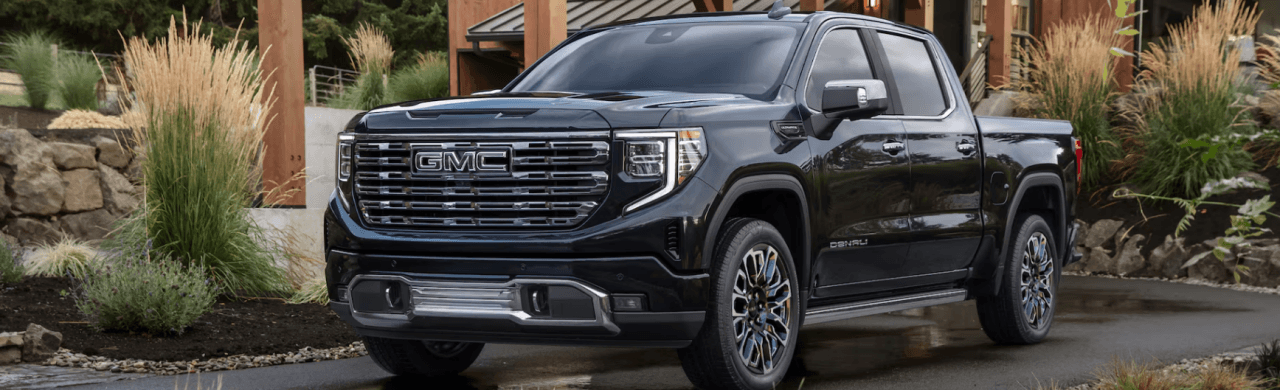
The 2026 GMC Sierra 1500 is built on a sturdy frame with a range of engines designed to handle both work and personal use. For drivers Near Akron, that can mean daily commuting, towing, and winter driving all in the same week. When cared for, that robust design gives the Sierra a strong foundation to reach and surpass 100,000 miles without feeling worn out.
When your Sierra approaches six‑figure mileage—or if you’re shopping for one already there—start with a big‑picture evaluation:
Visual condition: Look for signs of neglect, such as a heavily worn interior, mismatched paint, or obvious rust.
Service history: Regular oil changes, documented major services, and a few gaps in maintenance records are excellent signs.
Driving impressions: During a test drive or daily use, note how it starts, idles, accelerates, brakes, and rides.
A truck that passes these basic filters is a good candidate for long‑term ownership; from there, you can fine‑tune its maintenance plan.
At and beyond 100,000 miles, your engine’s future largely reflects its past:
Oil change discipline: Engines that have seen regular, on‑time oil and filter changes tend to show fewer issues with sludge, wear, and internal noise.
Spark plugs and ignition components: Depending on the engine and service history, spark plug replacement may be due; misfires or rough idle are signs to investigate.
Cooling system: Hoses, radiator, and water pump should be inspected for leaks, corrosion, and proper operation. Overheating events, even brief ones, can shorten engine life.
If the engine is quiet, free of major leaks, and pulls strongly under load, you’re starting from a good place.
Transmissions on modern half‑ton trucks are complex but durable when maintained:
Fluid service: If the fluid is dark or smells burnt, schedule a fluid and filter change in accordance with best practices. Trucks used for frequent towing or harsh conditions benefit greatly from on‑time transmission service.
Shift quality: Pay attention to delayed engagement (when shifting into drive), slipping, or harsh shifts—any of which merit a specialist’s inspection.
4x4 engagement: On four‑wheel‑drive models, verify that the system engages and disengages smoothly, with no clunks or binding when turning.
Similarly, don’t overlook differential and transfer case fluids; fresh fluid here supports quiet, long‑lasting gears and bearings.
The way a truck rides at 120,000 miles can feel dramatically better if suspension and steering have been refreshed along the way:
Shocks and struts: These wear items can transform ride quality when replaced. If your Sierra bounces excessively, feels floaty, or nose‑dives under braking, it’s time to evaluate them.
Bushings and joints: Cracked rubber bushings and worn ball joints or tie‑rod ends can cause clunks, vibrations, and imprecise steering.
Alignment: After any major suspension work—or if you notice uneven tire wear—a proper alignment helps preserve new parts and tires.
Investment here pays dividends every time you drive, especially on rougher roads near Akron.
With higher mileage, the braking system deserves close attention:
Pad and rotor wear: Even if the truck “feels fine,” thin pads or grooved rotors can reduce stopping power, particularly when towing or carrying heavy loads.
Brake fluid health: Over time, brake fluid absorbs moisture, which can reduce effectiveness and corrode internal components. Flushing older fluid helps preserve calipers, lines, and ABS components.
Lines and hoses: In rust‑prone areas, steel brake lines should be inspected for corrosion, and rubber hoses checked for cracks or bulges.
A high‑mileage Sierra with fresh brakes builds confidence, especially when you’re pulling a trailer or hauling gear.
Road salt and moisture near Akron are tough on metal, so rust management is part of high‑mileage ownership:
Frame and structural checks: Have the frame, crossmembers, and bed mounts inspected. Surface rust can often be treated and protected, but deeper scaling requires a careful assessment.
Body panels: Rocker panels, cab corners, and wheel arches are typical spots where corrosion may appear first. Addressing minor bubbling early often prevents more expensive repairs later.
Preventive measures: Underbody washes during winter, rust inhibitors, and timely repairs all help extend the truck’s structural life.
Ignoring early corrosion can shorten the useful life of an otherwise mechanically solid Sierra.
Owning a 100K‑plus Sierra 1500 doesn’t mean constant repair bills, but it’s smart to:
Set aside a maintenance fund: Even a modest monthly amount helps absorb costs for tires, brakes, and occasional larger repairs.
Prioritize safety and reliability first: Address brakes, tires, and essential mechanical issues before cosmetic upgrades.
Plan major services: Larger items—like suspension overhauls or transmission services—can be scheduled in advance so they don’t hit your budget all at once.
This approach turns maintenance into planned investments instead of unwelcome surprises.
Q: How can I tell if a 100K‑mile Sierra 1500 was maintained well?
A: Look for consistent service records, clean fluids, a healthy‑sounding engine/transmission, and even tire wear, along with a clean interior and underbody.
Q: What are the biggest red flags on a high‑mileage Sierra?
A: Severe rust on the frame, transmission slipping, chronic engine warning lights, and evidence of neglect (old fluids, mismatched tires, unresolved leaks) are all reasons to be cautious.
Q: How often should I inspect my truck once it’s over 100K?
A: An annual comprehensive inspection plus normal mileage‑based services is a good baseline; more frequent checks are wise if you tow heavily or drive in severe conditions.
Q: Is it worth upgrading suspension or brakes on an older Sierra?
A: Often yes. Quality replacement shocks, bushings, and brake components can make a high‑mileage truck feel dramatically more solid and safe.
Q: When does it make sense to move on from a high‑mileage Sierra?
A: If structural rust is advanced or if multiple major systems (engine, transmission, frame) all need significant work at once, replacement may make more financial sense than repair.
For owners and shoppers near Akron, a well‑maintained 2026 GMC Sierra 1500 can deliver many miles beyond 100,000. With a clear understanding of what to watch for and where to invest in maintenance, you can keep your truck working hard and driving confidently for years.
Written for https://vehiclesforsalenearakron.com
By the USA TODAY Network Automotive Insights Team, in collaboration with Medina Auto Mall and the Vehicles For Sale Near Akron - Beacon Journal Edition.