
This content was aggregated from local dealer and data and insights provided by the USA Today Network Automotive Insights team using Google Gemini and the Vehicles For Sale Near Akron marketplace writing team.
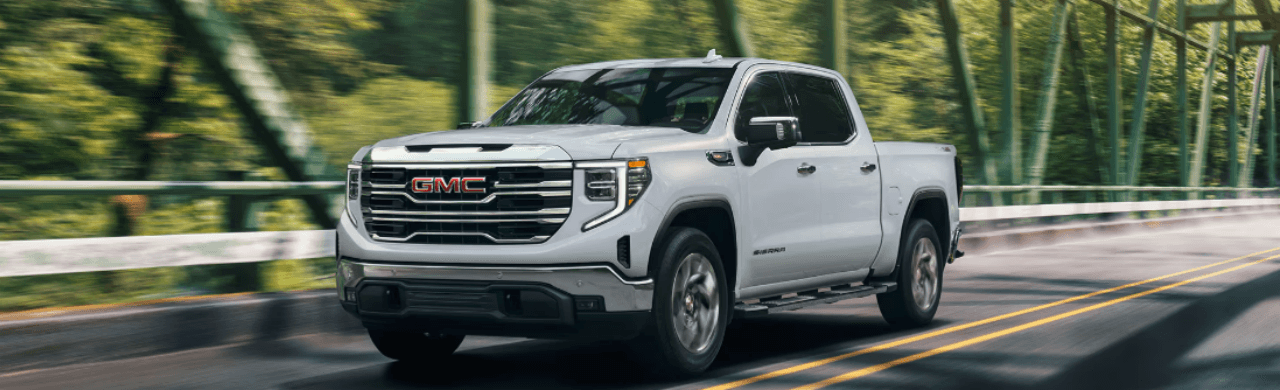
The 2026 GMC Sierra 1500 is engineered to handle daily use, job‑site demands, and weekend towing, so reaching 100,000 miles is a realistic expectation, not the finish line. With the right care, many trucks near Akron continue to feel solid and capable well into six‑figure mileage. The key is recognizing that once you cross the 100K mark, your truck’s needs shift from mostly routine to more preventive.
By the time your Sierra 1500 odometer flips past 100,000 miles, some parts have been working hard for years and naturally start to show their age:
Brake system: Pads and rotors may be on their second or third set, and hardware like calipers and lines may need closer inspection—especially if you’ve done a lot of towing or stop‑and‑go driving.
Suspension pieces: Shocks, struts, and bushings that once soaked up bumps smoothly can begin to feel loose or bouncy, which affects comfort, stability, and tire wear.
Steering components: Tie‑rod ends and ball joints can develop play, which can show up as vague steering or clunks over rough pavement.
Belts and hoses: Rubber parts that endure years of heat and vibration can crack or harden, raising the risk of coolant leaks or accessory belt failures.
Wheel bearings: A humming or grinding noise that changes with speed can be the first sign these parts are due for replacement.
None of these issues means the truck is “worn out”—they’re simply reminders that high‑mileage trucks require a more thorough inspection schedule.
If you’ve kept up with oil changes and followed the recommended service intervals, your Sierra’s engine is likely still strong. To keep it that way:
Stick to consistent oil service. Fresh, correct‑spec oil and high-quality filters protect internal components and help prevent sludge buildup.
Replace filters as needed. Engine air and fuel filters that are clogged or overdue can make the engine work harder than necessary.
Watch temperatures and warning lights. Overheating, low‑oil warnings, or a flashing check‑engine light should never be ignored on a high‑mileage vehicle.
A healthy engine at 100K miles can easily last many more years with proper care.
Your transmission and driveline quietly handle every gear change, hill climb, and towing job. After 100,000 miles, they deserve extra attention:
Transmission fluid and filter: If fluid hasn’t been serviced in a while, a change can help maintain smooth shifts and reduce internal wear, especially if you tow Near Akron or travel in hilly areas.
Differential and transfer case fluids: For 4x4 models, fresh fluids in these units help the truck handle winter roads and unpaved job sites without stressing gears and bearings.
Signs to watch: Slipping, delayed engagement into drive or reverse, or unusual noises under load should prompt a professional inspection.
Addressing driveline maintenance before problems appear is usually far cheaper than tackling a failure after the fact.
Northeast Ohio’s winters are hard on more than just drivers—they can be tough on trucks, too. Salt and moisture accelerate corrosion:
Inspect the frame and underbody. After 100K miles, a close look at frame rails, crossmembers, bed supports, and brake lines is wise. Surface rust can often be treated; deeper corrosion may demand more serious work.
Schedule regular underbody washes. Rinsing salt from the underside during and after winter helps slow corrosion and protect your investment.
A structurally sound frame is the foundation for long‑term Sierra ownership, so rust control is as important as mechanical maintenance.
A few consistent habits can significantly extend your Sierra’s useful life:
Annual comprehensive inspection: Have a trusted shop go bumper‑to‑bumper once a year to catch issues early.
Rotate and balance tires regularly: This improves ride, traction, and the health of suspension and steering components.
Respect towing and payload limits: Staying within rated capacities protects your engine, transmission, brakes, and suspension from premature wear.
Respond to new noises and vibrations quickly: A small squeak, hum, or shake can be the first sign of a problem that’s cheap to fix now and expensive later.
These steps don’t require big spending, but they pay off over the long run.
Q: Is a 2026 GMC Sierra 1500 with 100K miles still a good daily driver?
A: Yes—if it’s been maintained and inspected regularly, a 100K‑mile Sierra can remain a comfortable, reliable daily truck for years.
Q: What should I service first once I pass 100,000 miles?
A: Prioritize a thorough inspection, then tackle fluids (engine, transmission, differentials), brakes, and any worn suspension or steering parts.
Q: How can I tell if my high‑mileage Sierra has been overworked by towing?
A: Ask about its use history, look for hitch and suspension wear, and pay attention to how the transmission shifts, especially under acceleration or on hills.
Q: Is it better to trade in or maintain a Sierra at 100K miles?
A: If the truck is structurally solid and mechanically sound, investing in maintenance is often far cheaper than taking on a new‑truck payment.
Q: Can a Sierra 1500 realistically reach 200,000 miles?
A: Many do. With consistent care, sensible driving, and timely repairs, reaching 200K miles is possible for a lot of these trucks.
Written for https://vehiclesforsalenearakron.com
By the USA TODAY Network Automotive Insights Team, in collaboration with Medina Auto Mall and the Vehicles For Sale Near Akron - Beacon Journal Edition.